Preparatory Mindset
Obstetrics & Gynaecology begins with understanding the normal physiology of the female reproductive system and pregnancy — every pathology in this course is a "derangement of normal." The exam mindset: know the hypothalamic-pituitary-ovarian (HPO) axis cold, because it explains menstrual disorders, infertility, PCOS, and menopause all at once. For pregnancy, remember that maternal physiology is a massive cardiovascular, haematological, and metabolic adaptation — blood volume rises ~40-50%, cardiac output rises ~30-40%, and a "physiological anaemia" of pregnancy is expected (plasma expands more than RBC mass). When an exam asks "why is this lab abnormal in pregnancy?", the answer is almost always the haemodilution or the hormonal shift. This chapter builds the foundation for labour (ch08), PPH (ch09), and medical disorders in pregnancy (ch04-05).
Core Concepts
1. The female reproductive tract — anatomy essentials
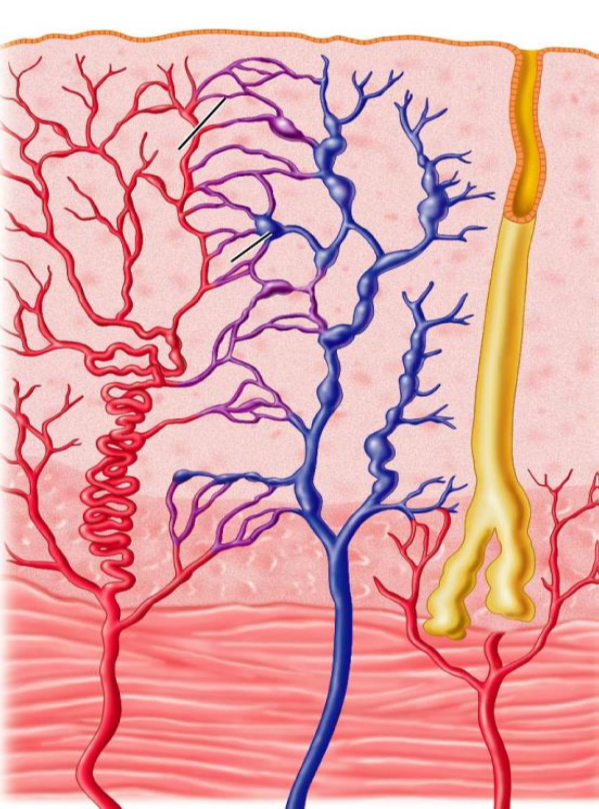
- Functional zone (superficial 2/3): contains most glands, thicker, undergoes cyclic change with ovarian hormones and is shed at menstruation. - Basal zone (deep 1/3): attaches to myometrium, terminal ends of glands, not affected by ovarian hormones, does not change periodically, regenerates the functional layer.
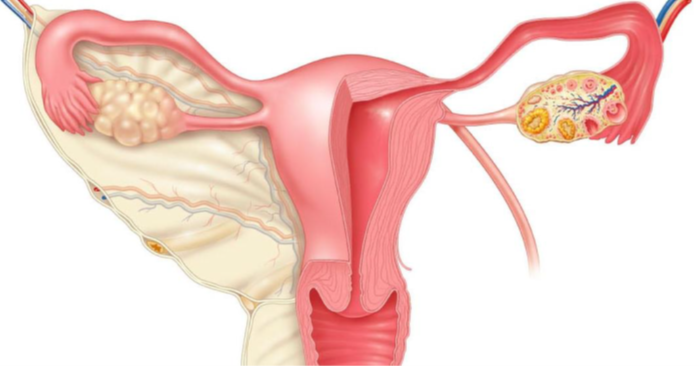
- Uterus: fundus (upper portion), body, isthmus, cervix (lower portion connecting to vagina). The squamocolumnar junction of the cervix is situated at the external os — the transformation zone is where cervical cancer originates.
- Cervix: sphincter to keep the uterus closed during pregnancy until delivery.
- Endometrium: two layers —
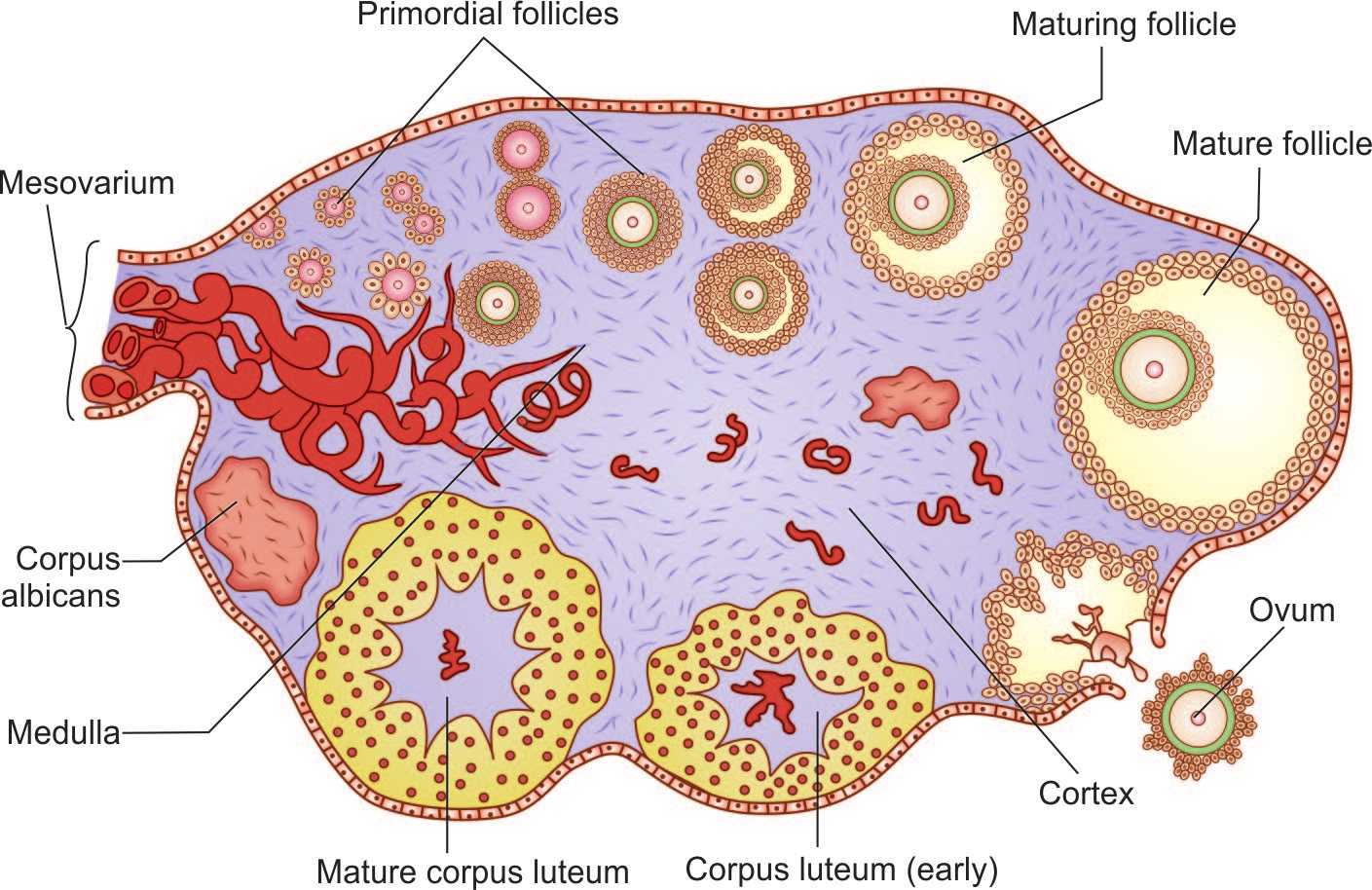
- Ovaries: covered by germinal epithelium; the cortex holds the functional units — primordial follicles, maturing follicles, Graafian follicles, corpus luteum, atretic follicles, corpus albicans.
- Fallopian tubes: fimbriae catch the oocyte at ovulation; fertilisation typically occurs in the fallopian tube; cilia transport the zygote to the uterine cavity.
- Support/position: assessed by bimanual and rectovaginal examination.
2. The HPO axis and the ovarian cycle
Hypothalamus (GnRH) → Anterior pituitary (FSH, LH) → Ovary (estrogen, progesterone) → Endometrium (proliferation, secretion, menstruation).
| Phase | Ovarian event | Hormone | Endometrium |
|---|---|---|---|
| Follicular phase | Follicle develops (primordial → Graafian) | FSH rises → drives follicle; estrogen (E2) rises | Proliferative phase (functional layer regrows) |
| Ovulation | LH surge triggers release of the oocyte | LH peak | — |
| Luteal phase | Corpus luteum forms and secretes | Progesterone dominates | Secretory phase (glandular, ready for implantation) |
| Menses | Corpus luteum involutes (no pregnancy) | E2/P fall → withdrawal | Functional layer shed |
- Primordial follicles (~2 million at birth, steadily atretic) are the only storage of ova — the supply is fixed and depletes over life.
- GnRH pulses drive the cycle; feedback is negative (E2/P suppress FSH/LH) with a positive LH surge at high E2 levels just before ovulation.
- The corpus luteum persists if hCG (from the trophoblast) rescues it — hCG maintains early pregnancy progesterone.
3. Maternal physiology during pregnancy (second file: "2. Maternal Physiology during Pregnancy.pptx")
| System | Key adaptation | Exam pearl |
|---|---|---|
| Cardiovascular | Cardiac output ↑ 30–40%; heart rate ↑ 10–20 bpm; blood volume ↑ 40–50%; SVR ↓; BP slightly ↓ mid-trimester | Systolic BP 130 / diastolic 80 at booking = risk factor for preeclampsia |
| Haematology | Plasma volume ↑ more than RBC mass → physiological anaemia; WBC ↑ (neutrophilia); platelet slightly ↓; hypercoagulable state (fibrinogen ↑↑) | Anaemia of pregnancy is mostly dilutional; thrombocytopenia mild |
| Renal | GFR ↑ ~50%; creatinine ↓; glycosuria common (lower renal threshold) | Normal Cr in pregnancy is LOWER (~44-53 μmol/L) |
| Respiratory | Tidal volume ↑; mild respiratory alkalosis (PaCO₂ ↓); O₂ consumption ↑ | Progesterone-driven hyperventilation |
| GI | Progesterone relaxes lower oesophageal sphincter → reflux; gallstone stasis | Heartburn common; cholestasis is pathological |
| Endocrine | Placental lactogen + insulin resistance ↑ → diabetes risk; thyroid binding globulin ↑ | GDM physiology links to ch04 |
| Uterus | Fundal height rises ~1 cm/week after 20 weeks; Braxton-Hicks contractions | Fundal height = gestational age marker |
4. Placenta and membranes
- Placenta: delivers O₂/nutrients, removes waste, secretes hCG, hPL, progesterone, estrogen; acts as a barrier (imperfect).
- Amniotic fluid: protects fetus, allows movement, lung development; produced by fetal urine (second half), swallowed by fetus.
High-Yield Points
| Topic | Must-remember |
|---|---|
| HPO axis | GnRH → FSH/LH → ovary → E2/P → endometrium; LH surge triggers ovulation |
| Endometrium | Functional zone sheds monthly; basal zone regenerates (hormone-independent) |
| Fertilisation site | Fallopian tube (ampulla) |
| Corpus luteum | Rescued by hCG; secretes progesterone in early pregnancy |
| Blood volume | ↑ 40-50% in pregnancy (plasma > RBC → physiological anaemia) |
| Cardiac output | ↑ 30-40%; HR ↑ 10-20 |
| Renal | GFR ↑ 50%; creatinine falls in pregnancy |
| Coagulation | Hypercoagulable (fibrinogen ↑↑, clotting factors ↑, fibrinolysis ↓) |
| Cervical transformation zone | Site of cervical cancer origin |
| Gestational age | Fundal height ≈ GA weeks after 20 weeks |
Topic Summary
The female reproductive system is driven by the HPO axis: GnRH pulses → FSH/LH → ovarian cycle → estrogen/progesterone → cyclic endometrial changes (proliferative → secretory → menstruation). The corpus luteum sustains early pregnancy under hCG rescue. Pregnancy is a state of massive maternal adaptation: blood volume +40-50%, cardiac output +30-40%, GFR +50%, hypercoagulability, and physiological anaemia from haemodilution. Understanding this normal physiology is the prerequisite for labour, PPH, and medical complications — every abnormal lab in a pregnant woman must be interpreted against these pregnant baselines.
LMCHK OSCE Practice — Early Pregnancy Counselling and Physiology
Station setup: A 28-year-old primigravida at 10 weeks of gestation attends her first antenatal visit. She asks: "My blood test shows my haemoglobin is low and my creatinine is below normal — am I sick?"
Candidate tasks (8 min):
- Reassure her: explain physiological anaemia of pregnancy (plasma volume expansion outpaces RBC mass — Hb falls ~1-2 g/dL by 3rd trimester, usually >100 g/L; if <100 → investigate iron/folate).
- Explain why creatinine is lower in pregnancy (GFR ↑ ~50% → lower serum Cr).
- Address diet/nutrition: iron and folic acid supplementation (folic acid 400-800 μg/day preconception + first trimester for neural tube prevention).
- Discuss the antenatal screening schedule (dating scan, NT 11-13+6 weeks, OGTT 24-28 weeks, anomaly scan 18-22 weeks).
Key marking cues:
- Differentiates physiological anaemia from true iron-deficiency anaemia (MCV, ferritin).
- Explains that low Cr in pregnancy is normal, not kidney disease.
- Recommends folic acid timing (preconception/1st trimester).
- Gives the antenatal screening timeline correctly.