Preparatory Mindset
Neonatology covers the preterm infant, birth asphyxia (APGAR), and neonatal jaundice — three of the most examinable topics in paediatrics (18CM exam tested). The mindset:
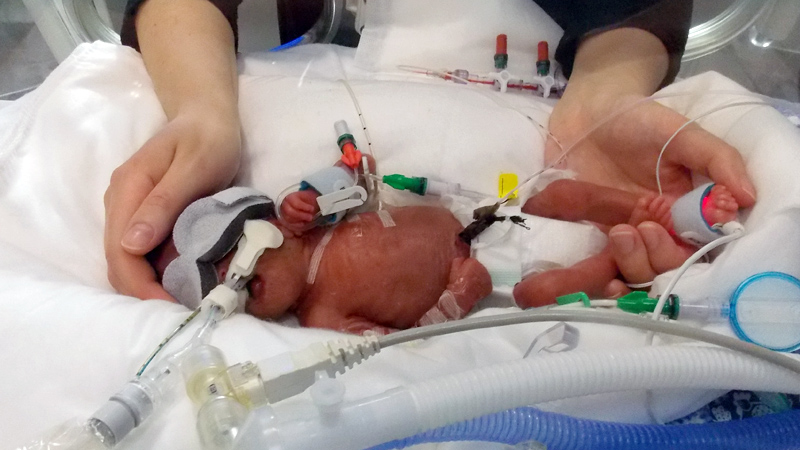
- Preterm: <37 weeks completed gestation; LBW <2500 g, VLBW <1500 g, ELBW <1000 g; major complications — RDS (surfactant), NEC, IVH, ROP (retinopathy of prematurity), BPD, hypothermia, hypoglycaemia, infection, jaundice; survival rises with gestation but extremely preterm (<28 wk) carries high mortality/morbidity.
- Asphyxia: APGAR scoring at 1/5/10 min; neonatal encephalopathy (HIE) — staging (mild/moderate/severe), therapeutic hypothermia is the treatment for moderate-severe HIE.
- Jaundice: physiological vs pathological — the crux; danger of kernicterus (bilirubin encephalopathy — acute: lethargy, opisthotonos; chronic: athetoid CP, deafness); management — phototherapy, exchange transfusion; investigate early (<24 h) jaundice, rapidly rising bilirubin, direct hyperbilirubinaemia.
The OSCE pattern: "is this jaundice physiological or pathological?", "does this newborn need phototherapy?" (bilirubin-for-age thresholds), and APGAR + neonatal resuscitation steps.
Core Concepts
1. The preterm infant
Definitions:
| Term | Criteria |
|---|---|
| Preterm | <37 weeks completed gestation |
| Moderately preterm | 33-36 weeks |
| Very preterm | <32 weeks |
| Extremely preterm | <28 weeks |
| Low birth weight (LBW) | <2500 g |
| Very low birth weight (VLBW) | <1500 g |
| Extremely low birth weight (ELBW) | <1000 g |
| SGA | Birth weight <10th percentile for GA |
Risk factors: preterm labour, PPROM, multiple gestation, preeclampsia/placental insufficiency (SGA), cervical shortening, infection, previous preterm birth, maternal age, smoking.
Survival: improves with gestational age; extremely preterm (<28 wk) — high mortality and neurodisability even with NICU (survival by GA: ~50% at 24 wk, >90% by 30 wk in high-income settings).
Physical features: thin translucent skin, lanugo, decreased subcutaneous fat, soft ear cartilage, immature genitalia, sole creases (fewer with earlier GA), flexed vs extended posture.
Clinical hazards — the "systems at risk" (must know):
| System | Complication |
|---|---|
| Respiratory | RDS (surfactant deficiency), apnoea of prematurity, BPD (bronchopulmonary dysplasia), pneumothorax |
| GI | NEC (necrotising enterocolitis) — feed intolerance, bloody stool, pneumatosis intestinalis; feeding difficulties |
| Neurological | IVH (intraventricular haemorrhage), PVL (periventricular leukomalacia), apnoea, poor temperature regulation |
| Ocular | ROP (retinopathy of prematurity) — screening schedule by GA/weight; risk: oxygen, prematurity |
| Metabolic | Hypoglycaemia, hypocalcaemia, hypothermia (large surface area:weight), jaundice (immature liver) |
| Immune | Infection/sepsis (immature immunity, invasive lines) — leading cause of death |
| Haematological | Anaemia of prematurity, jaundice |
Management principles:
- Thermal care — warm environment, skin-to-skin, incubator (avoid hypothermia).
- Respiratory support — antenatal corticosteroids (betamethasone) before preterm delivery reduce RDS; surfactant replacement; CPAP/ventilation as needed; oxygen targets (avoid hyperoxia → ROP).
- Feeding — early trophic feeds, breast milk (reduces NEC), fortification; total parenteral nutrition (TPN) if unable.
- Infection prevention — hand hygiene, antibiotics early if suspected.
- Screening — ROP, hearing, head USS (IVH), developmental follow-up.
- Kangaroo care, family-centred care.
2. Birth asphyxia and APGAR
APGAR score (at 1, 5, 10 min) — 0-2 each, total 10:
| Sign | 0 | 1 | 2 |
|---|---|---|---|
| Appearance (colour) | Blue/pale | Body pink, extremities blue | Completely pink |
| Pulse (HR) | Absent | <100 | >100 |
| Grimace (response) | No response | Grimace | Cry/cough/sneeze |
| Activity (tone) | Flaccid | Some flexion | Active |
| Respiration | Absent | Slow, irregular | Strong cry |
- 7-10 normal; 4-6 moderately depressed; 0-3 severely depressed.
- APGAR is a quick assessment of the need for resuscitation (not a predictor of long-term outcome alone).
Neonatal resuscitation (the NRP sequence): dry & warm → position → airway (suction) → breathing (PPV with bag-mask; oxygen per protocol) → circulation (chest compressions if HR <60 despite ventilation) → drugs (epinephrine) — the "ABC" ladder.
Hypoxic-ischaemic encephalopathy (HIE) staging (Sarnat):
| Stage | Features |
|---|---|
| Mild (I) | Hyperalert, normal tone, over-reactive; resolves in 24-48 h |
| Moderate (II) | Lethargic, hypotonia, weak suck, seizures; needs treatment |
| Severe (III) | Comatose, flaccid, absent reflexes, seizures; poor prognosis |
Treatment: therapeutic hypothermia (cooling 33.5 °C × 72 h) for moderate-severe HIE (start within 6 h) — reduces death and disability; supportive (glucose, electrolytes, anticonvulsants for seizures, ventilation).
Sequelae: cerebral palsy, intellectual disability, epilepsy, sensorineural deafness — worse with severe HIE.
3. Neonatal jaundice
Definition: bilirubin >85 μmol/L (5 mg/dL) visible clinically. Physiological jaundice appears day 2-3, peaks day 4-5 (term), resolves by 2 weeks; unconjugated; mild.
Pathological jaundice (red flags):
- Appears <24 h of age (haemolysis — ABO/Rh incompatibility)
- Rapidly rising (>85 μmol/L/day or >8.5 mg/dL/day)
- Peak too high for age (exceeds phototherapy threshold)
- Direct (conjugated) bilirubin >20% total or >34 μmol/L (cholestasis — biliary atresia, hepatitis)
- Prolonged (>2 weeks term, >3 weeks preterm)
- Associated illness (ill-looking, poor feeding, lethargy, pale stools/dark urine)
Causes:
| Category | Examples |
|---|---|
| Increased production | Haemolysis (ABO/Rh incompatibility, G6PD deficiency, spherocytosis), bruising/cephalohematoma, polycythaemia |
| Decreased conjugation | Physiological (immature UGT), prematurity, breast milk jaundice (late, benign) |
| Decreased excretion (conjugated) | Biliary atresia (urgent — Kasai), neonatal hepatitis, metabolic (galactosaemia) |
| Sepsis | Any newborn jaundice + ill → sepsis workup |
The danger — kernicterus (bilirubin encephalopathy):
- Acute: lethargy, poor feeding, high-pitched cry, hypotonia → opisthotonos, seizures (severe).
- Chronic (post-kernicteric): athetoid cerebral palsy, sensorineural deafness, upgaze palsy, dental enamel dysplasia — irreversible brain damage.
Investigations: total + direct bilirubin, FBC + blood film (haemolysis), blood group + DAT (Coombs), G6PD (Chinese/Mediterranean boys), reticulocyte count, sepsis screen if ill, urine reducing substances (galactosaemia), stool colour (biliary atresia).
Management:
| Treatment | Indication/action |
|---|---|
| Phototherapy | Blue-green light converts bilirubin to excretable photoisomers; threshold by bilirubin-for-gestational-age curves (hour-specific); monitor bilirubin q6-12 h; side effects — loose stools, rash, hyperthermia, dehydration |
| Exchange transfusion | Severe/rapidly rising bilirubin above exchange threshold, or signs of bilirubin encephalopathy, or failed phototherapy; replaces sensitised RBCs + removes bilirubin/antibody |
| IVIG | Haemolytic disease (Rh/ABO) with bilirubin approaching exchange level — reduces need for exchange |
| Treat cause | Sepsis (antibiotics), biliary atresia (Kasai portoenterostomy <60 days), galactosaemia (milk-free diet) |
| Breast milk jaundice | Benign late jaundice — continue breastfeeding, reassure |

High-Yield Points
| Topic | Must-remember |
|---|---|
| Preterm | <37 weeks; LBW <2500, VLBW <1500, ELBW <1000 g |
| RDS | Surfactant deficiency — antenatal steroids + surfactant |
| NEC | Feed intolerance + bloody stool + pneumatosis; breast milk reduces risk |
| IVH | Intraventricular haemorrhage — preterm; head USS screen |
| ROP | Retinopathy of prematurity — oxygen-related; screening |
| Hypothermia | Large SA:weight — thermal care first |
| APGAR | 0-3 severe, 4-6 moderate, 7-10 normal; at 1/5/10 min |
| HIE treatment | Therapeutic hypothermia (moderate-severe, within 6 h) |
| HIE sequelae | CP, ID, epilepsy, deafness |
| Physiological jaundice | Day 2-3, peaks 4-5, resolves by 2 wk; unconjugated |
| Pathological red flags | <24 h onset, rapid rise, too high for age, conjugated, prolonged |
| Kernicterus chronic | Athetoid CP + sensorineural deafness |
| Biliary atresia | Conjugated jaundice + pale stools — Kasai <60 days |
| Phototherapy | Blue light; bilirubin-for-GA thresholds |
| Exchange transfusion | Severe/encephalopathy/failed phototherapy |
| IVIG | Haemolytic disease approaching exchange level |
| G6PD | Haemolysis trigger — Chinese/Mediterranean boys |
Topic Summary
Preterm infants (<37 wk) face RDS, NEC, IVH, ROP, hypothermia, hypoglycaemia, infection — managed with thermal care, respiratory support (steroids/surfactant), breast milk feeding, and screening. Birth asphyxia is assessed with APGAR; moderate-severe HIE is treated with therapeutic hypothermia (within 6 h), with long-term neurodevelopmental follow-up. Neonatal jaundice — physiological (day 2-3, benign) vs pathological (<24 h, rapidly rising, conjugated, prolonged); kernicterus (athetoid CP + deafness) is the preventable disaster — treat with phototherapy → exchange transfusion, investigate early jaundice (haemolysis, sepsis, biliary atresia).
LMCHK OSCE Practice — Newborn Jaundice Assessment
Station setup: A term newborn, born 30 hours ago by normal vaginal delivery (O-positive mother, A-positive baby), is noted to be deeply jaundiced. He is feeding poorly and lethargic. Bilirubin (18 h): total 280 μmol/L, direct 12 μmol/L; Hb 140 g/L; reticulocytes 8%; DAT (Coombs) positive.
Candidate tasks (8 min):
- Take a focused history (onset of jaundice, feeding, urine/stool colour, family history of G6PD/haemolysis).
- Recognise this as pathological early jaundice (<24 h onset, rapidly rising, ill baby) — likely ABO incompatibility haemolytic disease (A baby + O mother + positive DAT).
- Order urgent investigations: total + direct bilirubin, FBC + film, blood group + DAT, G6PD, reticulocytes, sepsis screen (ill baby), urine reducing substances.
- Plan immediate treatment: phototherapy now (bilirubin-for-age above threshold); IVIG (haemolytic disease approaching exchange level); exchange transfusion if bilirubin continues rising toward exchange threshold or signs of encephalopathy; monitor for kernicterus (lethargy, opisthotonos).
- Explain to parents: cause (blood group incompatibility), treatment, kernicterus risk, and follow-up (hearing, development).
Key marking cues:
- Recognises pathological jaundice (<24 h + ill baby) — not physiological (17CM & 18CM exam tested).
- Diagnoses ABO incompatibility (DAT positive) and orders the full haemolysis workup.
- Starts phototherapy immediately and escalates to IVIG/exchange correctly.
- Screens for sepsis and G6PD.
- Counsels on kernicterus and follow-up.