Preparatory Mindset
Paediatric respiratory disease is the most common reason for acute paediatric consultation — and the exam covers the "wheezy infant/toddler" differential (bronchiolitis vs asthma vs aspiration), pneumonia (viral vs bacterial vs mycoplasma), croup/epiglottitis (stridor), and TB (17CM exam tested). The mindset:
- Bronchiolitis (RSV, <1 year): wheeze + cough + respiratory distress in a winter infant → supportive care is the treatment (hydration, oxygen, suction) — NO routine bronchodilators, NO steroids, NO antibiotics, NO chest physio — this is the most tested "don't" list in paediatrics.
- Pneumonia: fever + cough + tachypnoea + focal signs; viral (younger, wheeze) vs bacterial (lobar, high fever, consolidation) vs mycoplasma (school-age, dry cough, interstitial); treat per age/severity (amoxicillin for typical bacterial; macrolide for mycoplasma/atypical).
- Croup (viral laryngotracheobronchitis): barking cough + inspiratory stridor + hoarse voice, worse at night → single dose dexamethasone + nebulised adrenaline for moderate-severe; epiglottitis (Hib) = the "4 Ds" emergency (dysphagia, drooling, dysphonia, distress) — do NOT examine the throat, do NOT lie down, urgent anaesthesia/ICU.
- Asthma: most common chronic illness of childhood (1 in 11) — reliever (SABA) + preventer (ICS) stepwise; acute exacerbation management.
- TB (children): primary complex (Ghon focus + nodes), BCG, latent infection — usually from an adult source case.
Core Concepts
1. Bronchiolitis (RSV) — the "wheezy infant"
Definition: acute viral lower respiratory infection in infants (<1 year peak, winter), caused by RSV (most common) or rhinovirus.
Clinical: coryza → cough + wheeze + tachypnoea + subcostal/intercostal recession + fine inspiratory crackles; poor feeding, apnoea (esp. preterm/small infants); fever low-grade.
Risk factors for severe disease: prematurity, age <3 months, chronic lung disease, CHD, immunodeficiency, passive smoking.
Investigations: clinical diagnosis (no routine CXR/virology needed); pulse oximetry essential; consider CXR if atypical (apnoea, very unwell).
Management — SUPPORTIVE (the "do not" list):
| Treatment | Status |
|---|---|
| Hydration | Oral if able; NG tube/IV if unable to feed |
| Oxygen | If SpO₂ <90-92%; suction for nasal congestion (mucus) |
| Bronchodilators (salbutamol/ipratropium) | NOT routine (limited benefit in bronchiolitis) — may trial in severe wheeze |
| Steroids (oral/neb) | NOT recommended for bronchiolitis |
| Antibiotics | NOT for viral bronchiolitis — only if secondary bacterial infection |
| Ribavirin | Only for select high-risk (controversial) |
| RSV-Ig / palivizumab | Prevention (prophylaxis in high-risk infants, winter), not treatment |
| Chest physiotherapy | Not routine |
Prevention: hand hygiene (most critical), palivizumab (monoclonal RSV antibody) for high-risk infants, avoid smoking, isolation of hospitalised cases.
Outcome: self-limited (5-10 days); ~50% have recurrent cough/wheeze over next 3-5 years; ↑ risk of childhood asthma; ~2% of hospitalised infants need ventilation.
2. Pneumonia (community-acquired)
Definition: lung infection with fever + respiratory symptoms/signs.
| Type | Typical age | Features | Pathogen |
|---|---|---|---|
| Viral | Young (peak 2-3 yr) | Wheeze, low fever, diffuse; ~45% of hospitalised cases | RSV, influenza, parainfluenza, adenovirus |
| Typical bacterial | Any (lobar) | High fever, focal consolidation, toxic | S. pneumoniae (most common), H. influenzae, S. aureus (aggressive — empyema, pneumatocele) |
| Atypical | School-age (5-15 yr) | Dry hacking cough, interstitial, gradual; extra-pulmonary (headache) | Mycoplasma pneumoniae |
Clinical: fever, cough, tachypnoea (fast breathing — WHO indicator), grunting, nasal flaring, recession, focal crackles/ bronchial breathing; infants may just feed poorly.
Investigations: CXR (lobar consolidation = bacterial; bilateral interstitial = viral/mycoplasma; effusion/empyema = complicated — often staph); bloods (WBC, CRP — high in bacterial), blood culture; mycoplasma serology/PCR in school-age; oxygen saturation.
Management:
| Setting | Treatment |
|---|---|
| Outpatient (mild, >3 mo) | Amoxicillin (typical) — oral × 7 days; macrolide (azithromycin/clarithromycin) if mycoplasma/atypical suspected |
| Young infant (<3 mo) / severe | Admit; IV ampicillin/cefotaxime + supportive care |
| Complicated (empyema, effusion, pneumatocele) | IV antibiotics (anti-staph cover), chest drain/pleural tap, surgical (VATS decortication) |
| Prevention | PCV (pneumococcal conjugate vaccine), Hib vaccine, influenza vaccine |
Differential: bronchiolitis (wheezy infant), TB, aspiration pneumonia (recurrent — think GOR/neurological), cardiac asthma (wheeze + HF), foreign body aspiration (unilateral wheeze).
3. Croup and epiglottitis (stridor — upper airway obstruction)
| Feature | Croup (laryngotracheobronchitis) | Epiglottitis (Hib) |
|---|---|---|
| Age | 6 months-3 years | 2-7 years (vaccinated — rare now) |
| Onset | Gradual, often night, after coryza | Rapid (hours), acute toxic |
| Cause | Parainfluenza (most), RSV, rhinovirus | H. influenzae type b (now vaccine-preventable) |
| Cough | Barking "sea lion" cough | Absent/soft (dysphonia) |
| Voice | Hoarse | Muffled "hot potato" |
| Stridor | Inspiratory, harsh | Inspiratory, may be soft |
| Swallowing | Normal (drinks OK) | Drooling, dysphagia (can't swallow) |
| Posture | Playful despite stridor | Tripod position, anxious, "4 Ds": dysphagia, drooling, dysphonia, distress |
| Fever | Low-moderate | High, toxic |
Management croup: single oral dexamethasone 0.15-0.6 mg/kg (or budesonide neb) — the mainstay; nebulised adrenaline for moderate-severe stridor at rest (short-acting, monitor rebound); humidified oxygen; admit if stridor at rest, hypoxia, exhaustion; intubation rarely needed. Do not disturb/agitate (worsens obstruction).
Management epiglottitis (EMERGENCY): do NOT examine the throat, do NOT lie the child down, do NOT leave alone → senior anaesthetist + ENT + ICU, secure the airway (intubation) in theatre, IV ceftriaxone; do not delay for X-ray.
Other stridor causes: foreign body, bacterial tracheitis (pseudomembranous croup — toxic + barking, needs endoscopy + IV antibiotics), laryngomalacia (floppy larynx — benign inspiratory stridor from birth), anaphylaxis.
4. Asthma — the most common chronic childhood illness (1 in 11 UK children)
Definition: chronic airway inflammation → variable airflow obstruction (reversible) + bronchial hyperresponsiveness.
Triggers: viruses (most common — colds), exercise, allergens (dust mite, pets, pollen), cold air, smoke, stress.
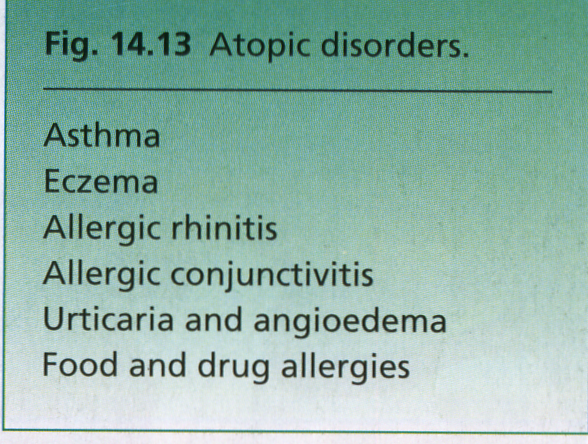
Clinical: recurrent wheeze, cough (worse at night/exercise), breathlessness, chest tightness; personal/family atopy (eczema, hay fever); "wheezy bronchitis" in toddlers often viral-induced.
Diagnosis (<5 yr): clinical (response to trial of bronchodilator/ICS); ≥5 yr: spirometry — reversible obstruction (FEV1 ↑ ≥12% after bronchodilator), FeNO.
Stepwise management (British guideline):
| Step | Treatment |
|---|---|
| Step 1 | SABA (salbutamol) as needed (reliever only) |
| Step 2 | + low-dose ICS (inhaled corticosteroid — preventer) |
| Step 3 | + LABA (long-acting β2-agonist) or leukotriene receptor antagonist (montelukast — useful in viral-induced) |
| Step 4 | Higher-dose ICS + LABA ± montelukast |
| Step 5 | Add-on therapy (theophylline, biologics — omalizumab) |
Acute exacerbation management:
- Assess severity — oxygen saturation, respiratory rate, accessory muscles, speech ability.
- Oxygen to SpO₂ ≥94-95%.
- Nebulised salbutamol (repeated/continuous) ± ipratropium bromide.
- Oral prednisolone (or IV) — 1-2 mg/kg, up to 5 days.
- IV magnesium sulfate / aminophylline if severe/refractory.
- Admit if hypoxia, severe distress, poor response; PICU for impending respiratory failure (exhaustion, rising CO₂, silent chest).
Key safety messages for parents: adherence to preventer ICS, written asthma action plan, spacer technique, review inhaler technique, avoid smoking, flu vaccine, exercise with pre-medication.
5. Tuberculosis (TB) in children (from 16 TB.pptx)
Epidemiology: children usually infected by an adult source case (smear-positive); BCG given at birth in high-prevalence countries (China).
Primary complex (primary TB): Ghon focus (lung parenchymal lesion) + hilar/mediastinal lymphadenopathy — usually asymptomatic/heals; in young children may progress to miliary TB (disseminated — millet-seed lesions on CXR) or TB meningitis (basal meningitis — cranial nerve palsies, hydrocephalus).
Clinical: cough >2-3 weeks, fever, weight loss/failure to thrive, night sweats; lymphadenopathy; erythema nodosum; phlyctenular conjunctivitis; CXR — primary complex, miliary pattern, effusion.
Diagnosis: contact history; Mantoux/TST or IGRA (QuantiFERON); gastric aspirates/induced sputum — culture (gold standard, slow); CXR.
Management: RIPE regimen — isoniazid (INH), rifampicin (R), pyrazinamide (P), ethambutol (E) — 2 months intensive then INH+R × 4 months; pyridoxine (B6) with INH (neuropathy prevention); latent TB (positive TST/IGRA, no disease) — INH × 6 months (or R × 4 months); BCG protects against severe forms (miliary, meningitis).
High-Yield Points
| Topic | Must-remember |
|---|---|
| Bronchiolitis cause | RSV; <1 year, winter |
| Bronchiolitis treatment | Supportive only — no bronchodilators/steroids/antibiotics routinely |
| Bronchiolitis prevention | Hand hygiene; palivizumab (high-risk) |
| Bronchiolitis sequelae | Recurrent wheeze; ↑ asthma risk |
| Pneumonia typical | S. pneumoniae — lobar consolidation, high fever |
| Pneumonia atypical | Mycoplasma — school-age, dry cough, interstitial |
| Pneumonia complicated | S. aureus — empyema/pneumatocele |
| Croup | Barking cough + inspiratory stridor + hoarse; dexamethasone single dose |
| Croup severe | Nebulised adrenaline (stridor at rest) |
| Epiglottitis | 4 Ds (drooling, dysphagia, dysphonia, distress); do NOT examine throat; secure airway |
| Asthma | Most common chronic childhood illness (1 in 11) |
| Asthma steps | SABA → +ICS → +LABA → higher ICS → add-ons |
| Asthma acute | O₂ + neb salbutamol ± ipratropium + oral steroids |
| TB primary | Ghon focus + hilar nodes |
| TB miliary/meningitis | Young children, disseminated — BCG protects |
| TB treatment | RIPE (2 months) → INH+R (4 months); pyridoxine with INH |
| BCG | Protects against miliary/meningitis |
Topic Summary
Paediatric respiratory: bronchiolitis (RSV, <1 yr) — supportive care only (no bronchodilators/steroids/antibiotics); pneumonia — viral (young) vs typical bacterial (S. pneumoniae, lobar) vs mycoplasma (school-age) — amoxicillin or macrolide; croup (barking cough + stridor — dexamethasone; neb adrenaline if severe) vs epiglottitis (4 Ds — emergency airway); asthma (1 in 11 children; SABA → ICS stepwise; acute = O₂ + neb SABA ± ipratropium + steroids); TB (primary complex; miliary/meningitis in young children; RIPE + pyridoxine).
LMCHK OSCE Practice — The Wheezy Infant
Station setup: A 6-month-old infant presents in December with 3 days of coryza, now cough + noisy breathing + poor feeding. Examination: RR 60, subcostal recession, widespread expiratory wheeze + fine crackles, SpO₂ 91%, T 37.8 °C. Nasal mucus ++.
Candidate tasks (8 min):
- Diagnose bronchiolitis (likely RSV) — age <1, winter, coryza → wheeze + crackles.
- Assess severity — tachypnoea, recession, SpO₂ 91%, poor feeding → admit.
- Outline management: supportive — oxygen (SpO₂ target ≥92%), suction nasal passages, small frequent feeds (NG if unable), close monitoring for apnoea.
- State what NOT to give: no routine bronchodilators, no steroids, no antibiotics (viral), no chest physio — the "don't" list.
- Discuss prevention and follow-up: hand hygiene, avoid smoking, palivizumab if high-risk; recurrent wheeze/asthma risk (up to 50% wheeze over 3-5 years).
Key marking cues:
- Correct diagnosis + severity assessment → admission.
- Supportive treatment is the answer (hydration, oxygen, suction).
- States the "no routine bronchodilators/steroids/antibiotics" rule explicitly — exam gold.
- Addresses apnoea risk and feeding.
- Counsels on prevention + long-term wheeze risk.