Preparatory Mindset
Brucellosis is the world's most common zoonotic bacterial infection (~500,000 new cases/year) and a re-emerging disease in China — the textbook case of a classic "occupational + food-borne" infection that medicine students repeatedly miss because it presents as undulant fever with osteoarticular focus (CM exam tested). The exam mindset: fever + arthralgia + hepatosplenomegaly + livestock/dairy exposure → think brucellosis. The pathognomonic clinical pattern is the undulant fever (waves of fever separated by afebrile periods) and sacroiliitis / peripheral arthritis in a patient with sheep/goat/cattle contact. Diagnosis hinges on serology (Rose Bengal + SAT) and blood culture (slow, 1–4 weeks — alert the lab). Treatment is long (≥6 weeks) combination antibiotics (doxycycline + rifampicin OR streptomycin) — short courses relapse.
Core Concepts
1. Definition
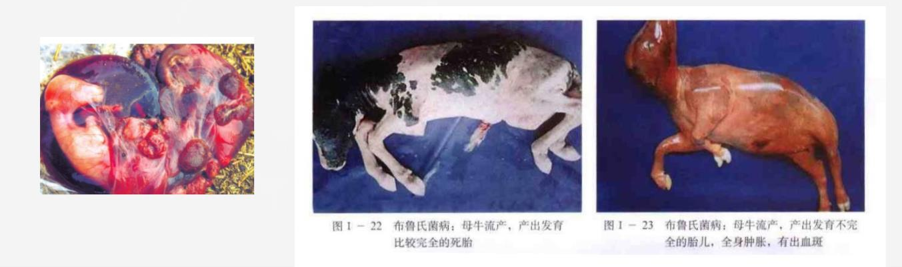
Brucellosis (also called Malta fever, undulant fever, Mediterranean fever) is a zoonotic infection caused by Brucella species, transmitted from animals to humans, characterised by undulant fever, sweats, arthralgia, hepatosplenomegaly, and a tendency to chronicity with focal complications (osteoarticular, genitourinary, neurological).
2. Aetiology — Brucella
| Feature | Detail |
|---|---|
| Morphology | Gram-negative coccobacillus, aerobic, facultative intracellular parasite, 0.5–0.7 × 0.6–1.5 μm; smallest Gram-negative in clinical labs (besides *Francisella tularensis*) |
| Special structures | No capsule, no spores, no flagella |
| Growth | Optimal 35–37 °C; slow (1–2 weeks, up to 4 weeks); biosafety level 3 organism (lab-acquired infections common) |
| Stability | Survives 6 weeks in 4 °C cream, 30 days in frozen dairy, 3 months in fresh cheese, weeks–months in dry soil / fur / dairy; 5 days–4 months in water; sensitive to heat, light, ionising radiation, common disinfectants, pasteurisation |
| Species | *B. melitensis* (ovine — most common, most virulent), *B. abortus* (bovine — widely distributed, milder), *B. suis* (porcine — severe), *B. canis* (canine), *B. ovis* (ovine epididymis), *B. neotomae* (desert rat); marine mammal strains |
| Subtypes | Bovine 1–9; Ovine 1–3; Porcine 1–5 |
3. Pathogenesis
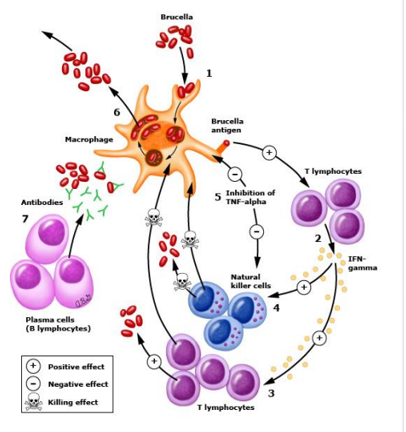
Brucella enters through skin/mucosa, GI tract, or respiratory mucosa → phagocytosed by neutrophils/macrophages → survives intracellularly by inhibiting phagolysosome fusion and resisting ROS → reaches regional lymph nodes (primary complex) → lymphatic + haematogenous spread to reticuloendothelial system (liver, spleen, bone marrow, lymph nodes) → granuloma formation (resembling TB) → focal complications in bone, joint, genitourinary tract, CNS.
The granulomatous response is why brucellosis is a chronic-relapsing disease and a differential for TB.
4. Epidemiology
- Global: >170 countries; >500,000 new cases/year; endemic in Mongolia, Mediterranean, Middle East, Central Asia, Central & South America.
- China: a re-emerging infectious disease since the 1990s–2000s, with outbreaks in northern pastoral regions (Inner Mongolia, Xinjiang, Gansu, Ningxia) tied to small-ruminant husbandry.
- Source of infection: >60 animal species are natural hosts — main reservoir for humans: sheep, cattle, pigs (dogs secondary). Reproductive tract is the main infection site → animals abort/stillbirth; vaginal secretions highly infectious. Fur, organs, placenta, amniotic fluid, fetuses, milk, urine all contaminated. Humans are accidental hosts; human-to-human transmission (blood, sexual, breastfeeding) extremely rare.
5. Three links of the infectious chain
1. Contact — skin/mucosa with secretions, fur; occupational exposure (lambing, slaughter, milking, shearing, veterinary, lab work). 2. Digestive — raw milk, unpasteurised dairy (especially fresh cheese), contaminated water/meat. 3. Respiratory — inhalation of aerosolised Brucella (abattoir, lab).
- Source of infection: livestock (sheep > cattle > pigs > dogs) and their products.
- Route of transmission:
- Susceptible population: general susceptibility; occupational groups at high risk — slaughterhouse workers, farmers, fur processors, veterinarians, lab workers; also consumers of unpasteurised dairy. Common in men aged 20–60. Seasonality — late spring to early autumn (lambing season).
- Some immunity after infection but reinfection in 2–7% is recognised.
6. Clinical manifestations
Incubation: 1–3 weeks (range 5 days to several months).
Acute phase — classic undulant fever:
| Feature | Detail |
|---|---|
| Fever | Undulant (waves of fever 39–40 °C, each lasting days to weeks, with afebrile intervals); or continuous, irregular |
| Sweats | Profuse, malodorous, often nocturnal — classic feature |
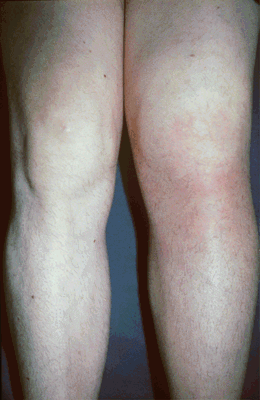
| Arthralgia / myalgia | Migratory; large joints (knee, hip, sacroiliac) — osteoarticular brucellosis is the most common complication (~10–30%) |
| Hepatosplenomegaly | Common, often tender |
| Lymphadenopathy | Regional or generalised |
| Neurological | Headache, depression, irritability; neurobrucellosis (meningitis, encephalitis) |
| Genitourinary | Orchitis/epididymitis (especially *B. melitensis*); can mimic testicular tumour |
| Skin | Maculopapular rash, erythema nodosum |
| Cardiovascular | Endocarditis (rare but most common cause of mortality) |
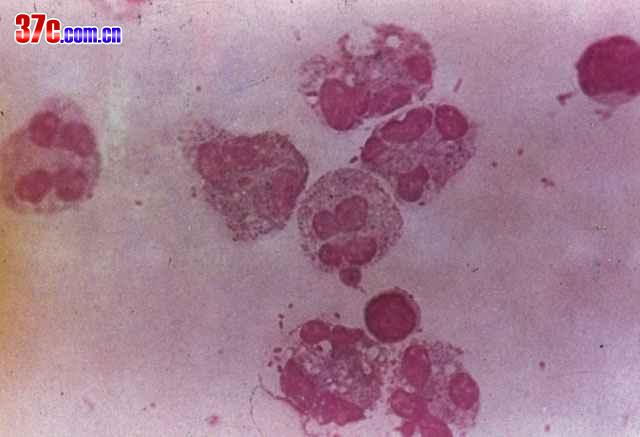
Chronic brucellosis (>1 year of symptoms) — fatigue, depression, low-grade fever, persistent arthralgia, may mimic chronic fatigue syndrome or depression.
7. Complications
| Complication | Notes |
|---|---|
| Osteoarticular (10–30%) | Sacroiliitis (classic), spondylitis (lumbar), peripheral arthritis (knee, hip), osteomyelitis |
| Genitourinary | Orchitis, epididymitis (unilateral, can mimic tumour); rarely abortion in pregnancy |
| Neurological (5–7%) | Meningitis, encephalitis, radiculopathy, cranial nerve palsies |
| Cardiovascular (rare but lethal) | Endocarditis — most common cause of death; may need surgery |
| Hepatic | Granulomatous hepatitis (resembling TB) |
8. Laboratory examination
| Test | Detail |
|---|---|
| Blood culture | Gold standard; slow (1–4 weeks) — alert lab; alert for BSL-3 organism; positivity highest in acute phase (~80%) |
| Bone marrow culture | Higher yield in chronic / culture-negative cases |
| Serology | Rose Bengal test (rapid screening, qualitative); Serum Agglutination Test (SAT) — quantitative, ≥1:100 = positive in endemic areas (≥1:160 in low-prevalence); 2-mercaptoethanol test (detects IgG → active disease); ELISA (IgM, IgG); Coombs anti-Brucella (blocking antibodies) |
| PCR | Rapid, species identification; useful for relapse vs re-infection |
| CSF | Lymphocytic pleocytosis, ↑ protein in neurobrucellosis |
| Imaging | Joint X-ray (sacroiliitis); MRI spine (spondylodiscitis); echo (endocarditis) |
> Lab alert: Brucella cultures require prolonged incubation AND are a biosafety level 3 pathogen — laboratory-acquired infection is well-documented. Notify the microbiology lab if brucellosis is suspected.
9. Diagnosis
Combination of epidemiology + clinical (occupational exposure, undulant fever, hepatosplenomegaly, arthralgia) + serology (Rose Bengal + SAT ≥1:100) + culture confirmation.
Differential diagnosis: TB (granulomas), typhoid (fever + relative bradycardia), malaria (fever pattern), rheumatologic disease (arthralgia), lymphoma (lymphadenopathy), infective endocarditis (cardiac involvement).
10. Treatment
Long-course combination therapy is mandatory — monotherapy and short courses relapse.
| Regimen | Detail |
|---|---|
| WHO-recommended | Doxycycline 100 mg bid × 6 weeks + Rifampicin 600–900 mg/day × 6 weeks (oral, fully ambulatory) |
| Alternative (more effective for severe / spondylitis / endocarditis) | Doxycycline 6 weeks + Streptomycin 1 g/day IM × 2–3 weeks |
| Neurobrucellosis | Doxycycline + rifampicin + ceftriaxone (or streptomycin) ≥ 8 weeks, longer for CNS |
| Endocarditis | Triple therapy + surgical valve replacement often needed |
| Pregnancy | Rifampicin monotherapy (avoid doxycycline, streptomycin) |
| Children <8 | Rifampicin + TMP-SMX (avoid doxycycline) |
Follow-up — clinical + serology (SAT titre) every 3–6 months for ≥ 2 years (relapse possible).
11. Prevention
- Animal control: test and cull infected herds; vaccinate livestock (B. abortus S19, B. melitensis Rev-1) — human vaccine not routinely used in China.
- Food safety: pasteurise milk and dairy; avoid unpasteurised cheese.
- Occupational protection: gloves, masks, protective clothing for slaughterhouse / farm / vet workers.
- Post-exposure: consider rifampicin or doxycycline chemoprophylaxis after high-risk lab exposure (controversial).
- Notification: Class B notifiable disease (24 h) in China.
High-Yield Points
| Topic | Must-remember |
|---|---|
| Pathogen | *Brucella melitensis* — most common, most virulent (ovine) |
| Source | Livestock (sheep, cattle, pigs); abortions / vaginal secretions / unpasteurised dairy |
| Occupation | Slaughterhouse, farm, vet, fur, lab workers |
| Transmission | Contact, GI (raw dairy), respiratory (aerosol) |
| Hallmark | Undulant fever + sweats + arthralgia + hepatosplenomegaly |
| Focal complication | Sacroiliitis (most common), spondylitis, orchitis, neuro, endocarditis |
| Diagnosis | Rose Bengal + SAT ≥1:100; blood culture (slow, 1–4 wk, alert lab BSL-3) |
| Treatment | Doxycycline 6 wk + Rifampicin 6 wk (WHO); DOXY + streptomycin for severe |
| Pitfall | Short courses relapse — always 6 weeks minimum |
| Endocarditis | Most common cause of death; often needs surgical valve |
| Vaccine | No human vaccine in China; livestock vaccines exist |
Topic Summary
Brucellosis is a zoonotic infection from livestock (mainly sheep/goat/cattle) and their unpasteurised products, presenting as undulant fever + sweats + arthralgia + hepatosplenomegaly. The most common focal complication is osteoarticular (sacroiliitis, spondylitis); neurobrucellosis and endocarditis are rare but serious. Diagnosis: Rose Bengal + SAT serology + blood culture (prolonged, BSL-3). Treatment: doxycycline + rifampicin × 6 weeks (or + streptomycin for severe). Prevention: pasteurise dairy, animal control, occupational protection. Class B notifiable disease.
LMCHK OSCE Practice — Farmer with Chronic Fever and Back Pain
Station setup: 45-year-old male sheep farmer from Inner Mongolia, 6-week history of intermittent fever to 39 °C with drenching night sweats, weight loss 5 kg, and worsening right hip pain. Drinks raw sheep milk daily. Examination: T 38.5 °C, HR 92, tender hepatomegaly 2 cm, mildly tender right sacroiliac joint, FABER test positive on the right.
Candidate tasks (8 min):
- Take a focused exposure history (livestock, occupational, dietary, prior TB).
- State the most likely diagnosis and explain (undulant fever + sweats + sacroiliitis + raw milk + occupational exposure = brucellosis).
- List the first-line investigations (Rose Bengal + SAT, blood culture with prolonged incubation, blood count, LFT, hip X-ray, MRI if neurology red flags).
- Discuss the antibiotic regimen (doxycycline 6 weeks + rifampicin 6 weeks; alternative + streptomycin if severe).
- Explain to the patient the need for long treatment (6 weeks minimum) and follow-up to detect relapse.
Key marking cues:
- Recognises occupational + dietary exposure (sheep farmer + raw milk).
- Identifies sacroiliitis as the focal complication.
- Orders Rose Bengal + SAT as first-line serology; blood culture with prolonged incubation and lab alert.
- Differentiates from TB of the spine (Pott disease) — risk factors, slower course.
- Chooses doxycycline + rifampicin 6 weeks; explains relapse risk if shorter.
- Counsels on food safety (pasteurisation, avoid raw dairy).